
The Day Pelé Stopped a War
At Pelé Soccer, we talk a lot about "The Beautiful Game." The perfect curve of a free kick, the roar of a crowded stadium, or the way a jersey can make a stranger feel like family.
However, there is one story from our Pelé’s history that proves football is more than just a sport. It is a force of nature.
In 1969, Pelé did the impossible. He didn't just score goals; he stopped a war.
A Nation Divided
The year was 1969, and Nigeria was gripped by a brutal civil war. The conflict between the federal government and the secessionist state of Biafra had been raging for two years. It was a time of immense darkness, and the eyes of the world were on a region defined by division.
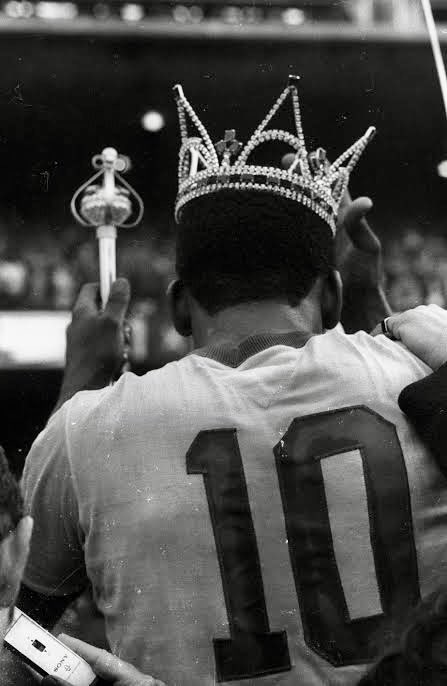
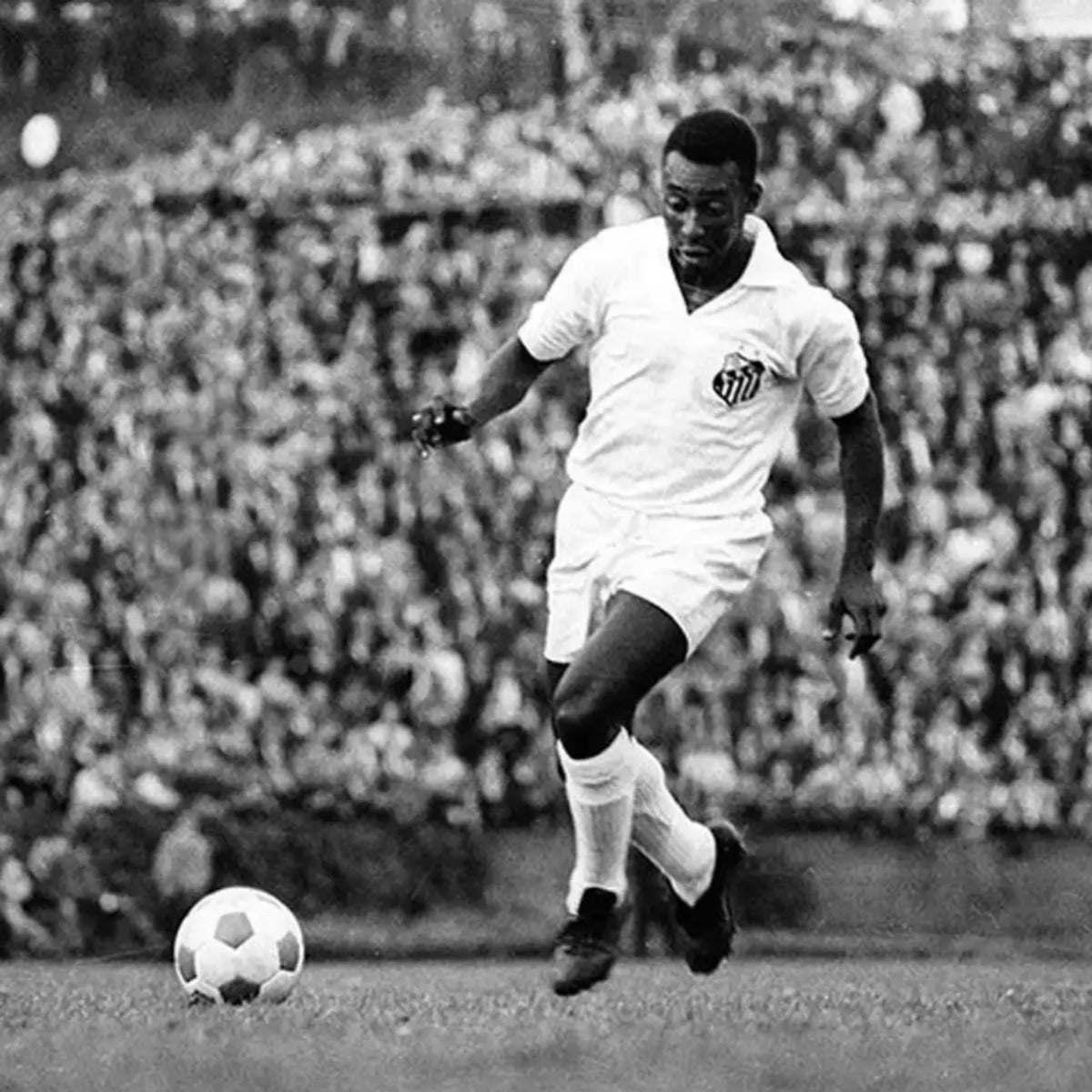
Then came Santos FC. At the time, Pelé’s club was the most famous team on the planet. They were the "Harlem Globetrotters" of soccer, traveling the world to showcase the magic of the man they called O Rei (The King). When their African tour scheduled a stop in Nigeria, the world held its breath. People wondered how a soccer match could possibly happen in the middle of a war zone.
The Miracle of Benin City
As Santos arrived, something miraculous happened. The guns fell silent.
In an unprecedented move, both the Nigerian government and the Biafran rebels agreed to a 48-hour ceasefire. This wasn't a result of politics or high-level diplomacy. It happened because neither side wanted to miss the chance to see Pelé play. For a brief moment, the shared human desire to witness greatness outweighed the impulse for conflict.
The match took place in Benin City. For those 90 minutes, the stadium was not a territory of war. Instead, it was a sanctuary. Soldiers who had been on opposite sides of a front line just days before stood side-by-side to watch the King.
Pelé’s teammate, Lima, later recalled the surreal scene. He noted that the team could have easily turned around to avoid the mess of war, but they chose to enter because they knew what their presence meant to the people.
A Legacy Beyond the Pitch
Historians often discuss the exact logistics of the ceasefire, but for Pelé and the people in that stadium, the impact was undeniable. Pelé frequently cited this moment as one of his proudest achievements. It wasn't about a trophy or a personal record. It was about the fact that his presence brought a brief moment of humanity to a place that had forgotten what peace felt like.
Pelé once said that he learned as a child that football is an instrument for good. This event in Nigeria was the ultimate proof of that philosophy.
Why We Tell This Story
At Pelé Soccer, this story is the heartbeat of what we do. We believe that whether you are playing in a stadium or at a local park, football has the power to bring people together.
In 1969, Pelé gave a nation a reason to put down their weapons and remember their shared love for the game. That is the true power of The Beautiful Game.




Leave a comment
All comments are moderated before being published.
This site is protected by hCaptcha and the hCaptcha Privacy Policy and Terms of Service apply.